This website uses cookies to ensure you get the best experience. By clicking or navigating the site you agree to allow our collection of information through cookies. Check our Privacy policy.
This case study looks at two initiatives that have found EDM a useful resource for teaching professionals and students about metadata and linked open data.
This case study explores the Linking History site, a research tool for students participating in the History in Place project. The project's data has been modelled using EDM.
Title:
Twin it! logo. A composition of Windmolen van Elene by FrDr, CC BY-SA 4.0 and Elene windmill by visualdimension, CC BY-NC-ND.
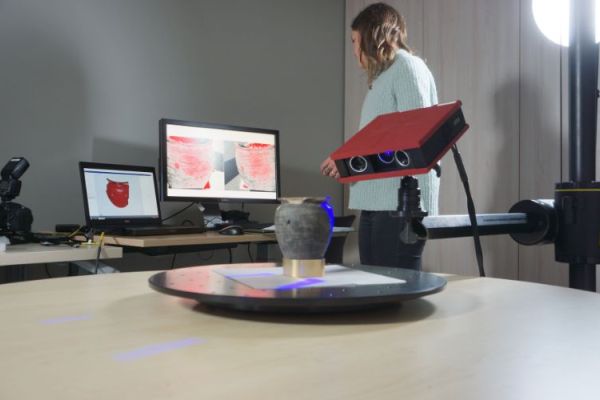
Together with the European Commission, we are delighted to announce the second phase of our 3D campaign for Europe’s culture - Twin it! Part II! Find out how it will support EU Member States in their 3D digitisation and preservation efforts - and what that means for you.
Europeana's commitment to Diversity and Inclusion translates to many different actions we will take as an organisation and around it. One of them was formalising a Diversity and Inclusion (D&I) cross-team that can structure the work across the Europeana Foundation. But what is a cross-team? How does it fit in the wider structure of the Europeana Foundation, and who is involved?
What are the benefits and challenges of Computer-Assisted Translation (CAT) Tools? Mª Ángeles García, Pangeanic Machine Learning Project Director, explains what their CAT tool is and how it will be made available for cultural heritage institutions - part of the AI4Culture interviews series.
3D technologies offer opportunities to broaden access to culture, preserve our shared cultural heritage and spur creativity and innovation. As part of an ongoing series from the EuropeanaTech community, Dr. Lozana Rossenova explores how interoperability for 3D is a key goal for the International Image Interoperability Framework.
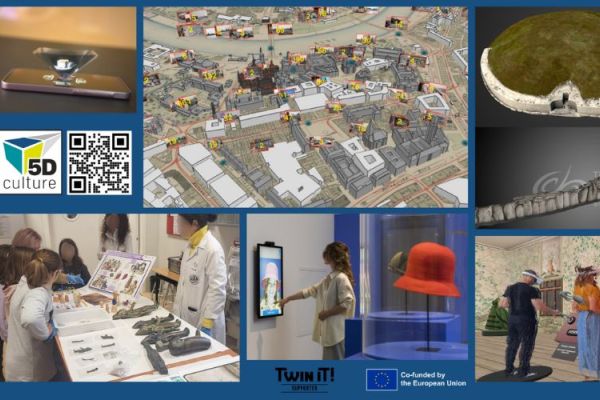
After two years of international cooperation, the 5DCulture project has achieved a remarkable transformation in how European cultural heritage is preserved, shared and reimagined through the power of 3D technologies. Read more about the project’s achievements!
After two years of intense and ambitious work, the DE-BIAS project has come to an end. Discover how it met its goal to support a more inclusive and respectful description of cultural heritage by addressing prejudices and stereotypes reflected in language, and how you can use the tools it created.
The Europeana Climate Action Community is pleased to invite you to its next Café! This informal session is a chance to learn more about the Community's work and to share to your thoughts.