This website uses cookies to ensure you get the best experience. By clicking or navigating the site you agree to allow our collection of information through cookies. Check our Privacy policy.
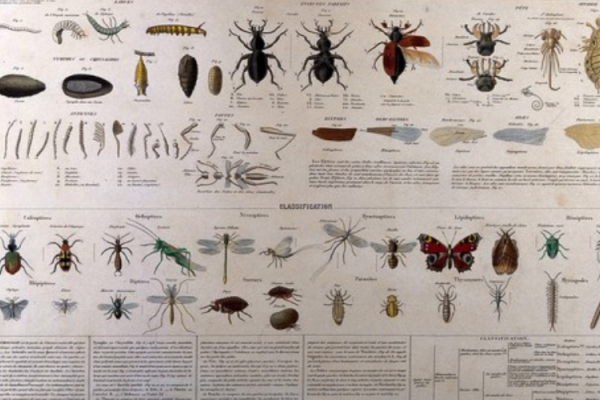
Insects: classification chart showing various varieties and stages of development, including larvae, beetles and butterflies. Coloured lithograph, 1850/1870?
Previously, we introduced you to the Europeana Foundation’s image classification pilot, for which we had selected a target vocabulary and gathered a dataset to train a model to classify images from digitised cultural heritage. In this post, we analyse the results of the training, identify some challenges with our current approach, and propose future lines of work!
In June 2021 the Europeana Aggregators’ Forum and Europeana Foundation will hold the first ever Aggregators’ Fair! If you're interested in bringing your content to new audiences, meeting the people who work behind the scenes to make cultural heritage available through Europeana and receiving guidance and training from experts in this field, read on to find out more and register!
The Europeana Aggregators' Fair explored how to bring content to new audiences and how Europeana Aggregators work to make cultural heritage available through Europeana.
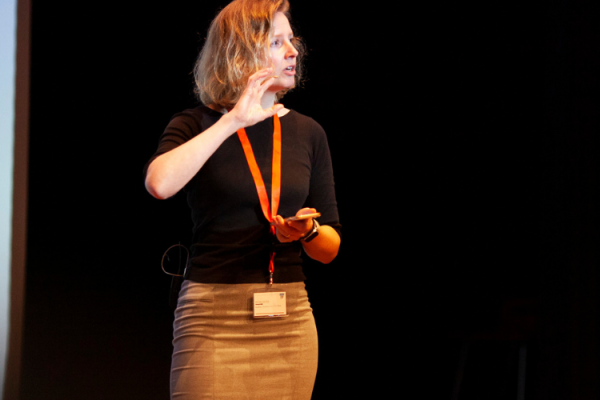
This month, we are exploring AI-related activities in the cultural heritage sector, and shining a light on women leading research, projects and work in this area. Today, Dr. Marieke van Erp discusses the importance of collaboration between computer science and cultural heritage, and introduces us to the new Cultural AI Lab.
This month, we are exploring Artificial Intelligence (AI) related activities in the cultural heritage sector, and shining a light on women leading research, projects and work in this area. Today, Dr Emmanuelle Bermes of the National Library of France discusses the enormous potential of AI for large collections - and the challenge of realising it!