This website uses cookies to ensure you get the best experience. By clicking or navigating the site you agree to allow our collection of information through cookies. Check our Privacy policy.
Today, we start a Pro News series focusing on Europeana's 10th anniversary, which we are marking throughout November. Here, we present 10 reasons to open up cultural heritage data for free reuse.
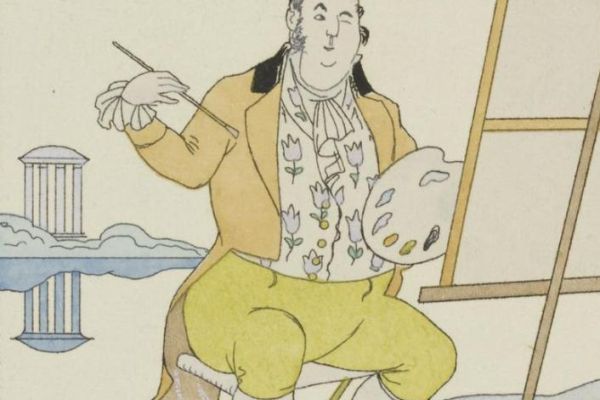
Should libraries and museums stop secondary websites from republishing so-called ‘orphan’ works? Ellen Euler, professor for Open Access & Open Data in Germany at the University of Applied Science Potsdam, looks at a current case in point playing out in Germany.
The Task Force developed standard guidelines/formats, intended for cultural heritage communities and taking into account the specific needs of Europeana.
Interest in open metadata is growing among policy makers, the cultural heritage sector, the research community, and software and application developers. At the European level, the Digital Agenda for Europe 2020 identifies ‘opening up public data resources for re-use’ as a key action in support of the Digital Single Market.
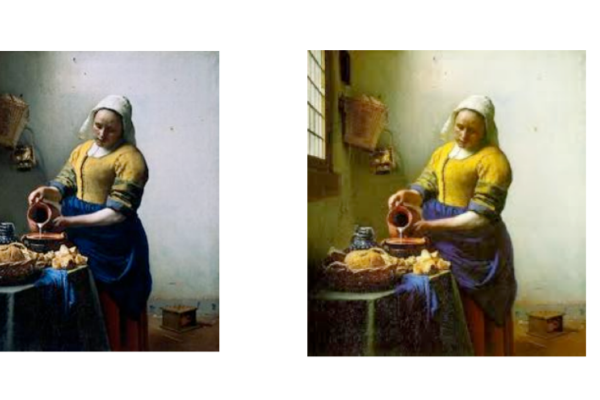
In 2011, the Rijksmuseum in the Netherlands started releasing images of public domain works online. In 2013, these were all made available in the highest resolution possible, without any copyright restrictions.