This website uses cookies to ensure you get the best experience. By clicking or navigating the site you agree to allow our collection of information through cookies. Check our Privacy policy.
Posts
Title:
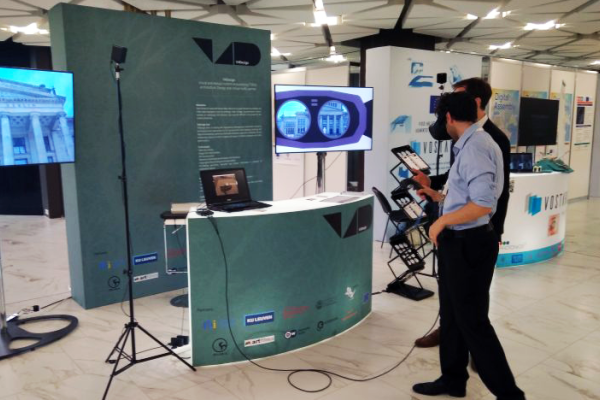
V4Design booth at Digital Assembly in Sofia in June 2018
As the technological capabilities to digitise cultural objects in 3D increases, so too does the value of these data sources for architects, designers, and video game creators. The real challenge lies in making 3D cultural heritage easily accessible and reusable for those audiences. That is precisely the challenge that the V4Design project is taking on.
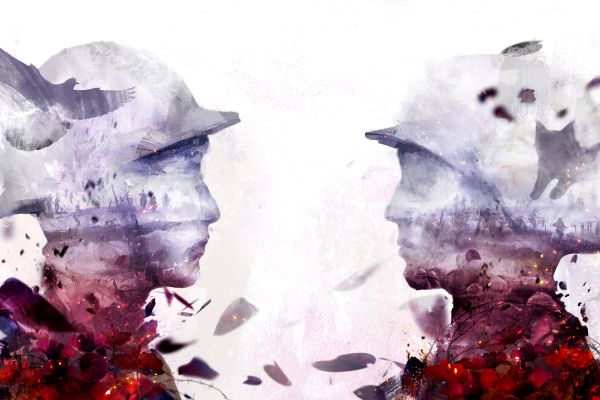
We speak to Yoan Fanise, creative director and co-founder of (the independent video game development studio) Digixart about the launch of the moving WW1 video game 11-11: Memories Retold and the importance of highlighting the differing and personal aspects of historical events.
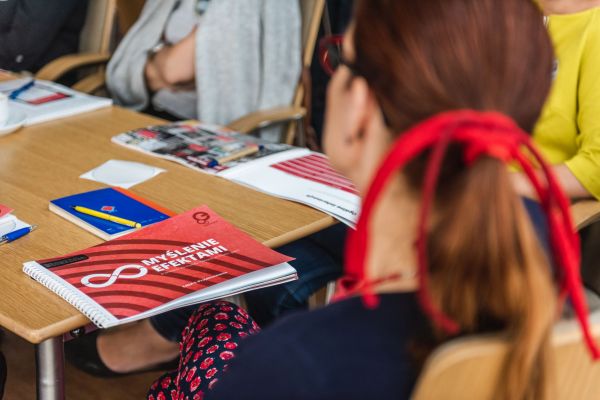
The Europeana Impact Playbook is helping cultural heritage institutions around the world discover and analyse the impact of their activities. We’ve been working with some of them to help develop our work on impact further, and we’ve been talking to others about their experiences with the first phase of the Impact Playbook. Learn more!
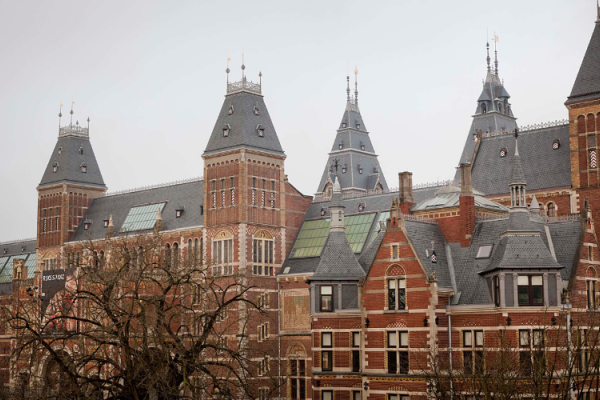
Building on the Rijksmuseum's own impact assessment looking at the economic and social impact of a renovation, we've taken a look at what we can learn and how it starts to articulate the value of their digital strategy.
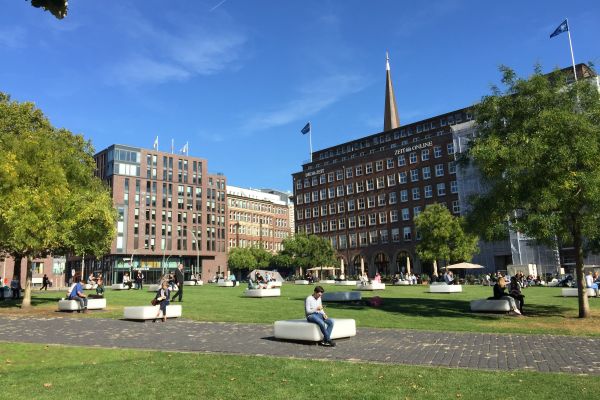
Professor Jens Bley discusses SmartSquare, an initiative using digital culture in the revitalisation of an urban square in Hamburg, Germany, and some of the theoretical questions posed by running an impact assessment with multiple stakeholders.
Today, we start a Pro News series focusing on Europeana's 10th anniversary, which we are marking throughout November. Here, we present 10 reasons to open up cultural heritage data for free reuse.