This website uses cookies to ensure you get the best experience. By clicking or navigating the site you agree to allow our collection of information through cookies. Check our Privacy policy.
Overview for 'Strategy'
Title:
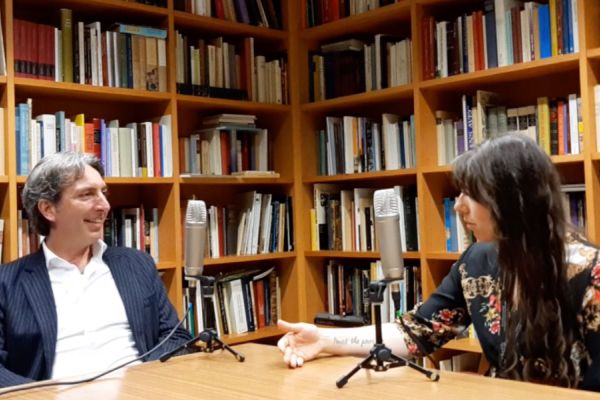
Harry Verwayen and Federica Bressan record Technoculture podcast for EuroScientist.com
Technoculture podcaster Federica Bressan caught up with Europeana Foundation Executive Director Harry Verwayen at the recent Europeana 2019 conference in Lisbon. In a special podcast edition for EuroScientist, Harry talks about the relevance of Europeana for science professionals, and what Europeana is doing to reduce its carbon footprint.
Europeana has been a partner in the Time Machine project since its beginnings. Now, Europeana and Time Machine have signed a statement of collaboration to work together to explore opportunities to further their partnership, building upon existing synergies between the work and ambition of the two organisations.
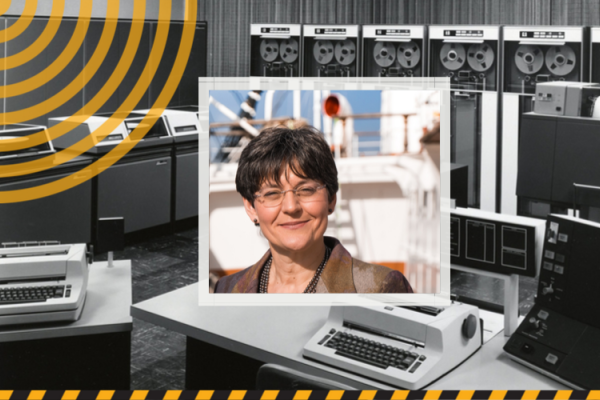
For our Europe at Work series, we look at how our own cultural heritage sector is being transformed by digital technology, through the eyes of professionals who have really made a difference. Today, Sneška Quaedvlieg-Mihailović, Secretary General of Europa Nostra.
The Digital Europe Programme is a new funding programme from the European Union which will shape and support the digital transformation of Europe’s society and economy. Europeana will be co-financed by this programme from 2022. Take the EU's survey on the priorities of the programme now and show them that support and ambition for digital cultural heritage is vital.
We look at a progress report from the European Commission showing that EU Member States are continuing to support Europeana by encouraging high-quality content, and supporting aggregators and promoting standards for digital culture.
In June, we highlighted a new European Commission report confirming continued Member State support for Europeana and for common efforts on digital preservation. Now, let’s look more closely at how Member States - through their ministries of culture - are working with aggregators to encourage the use of standards for digital culture and what that means for the data provided by your own institutions.